

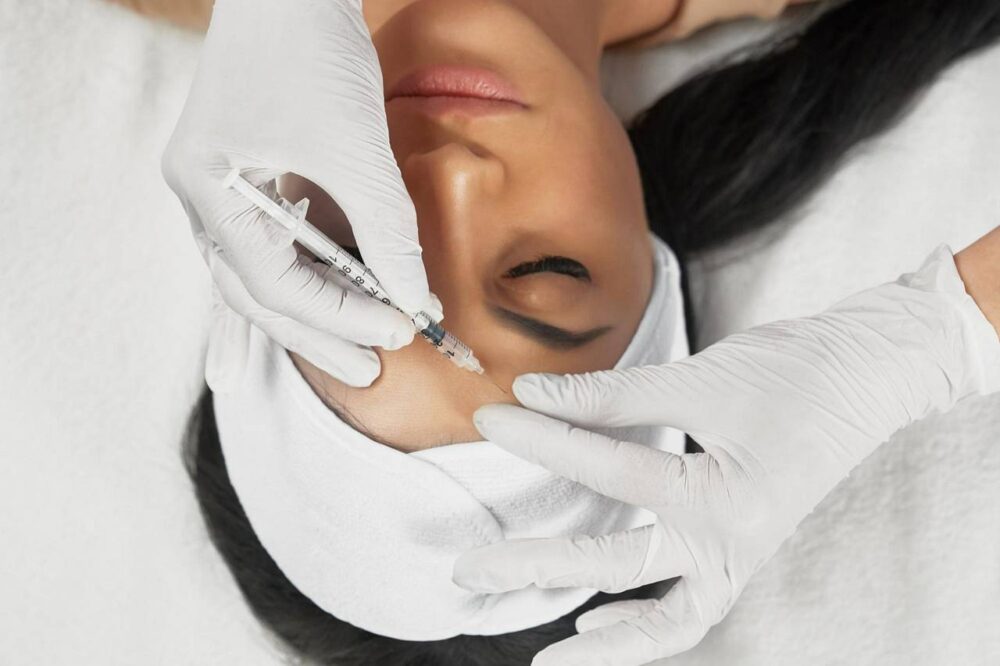
The modern medical spa has evolved far beyond traditional facials and relaxation treatments. In aesthetic centers like Beverly Hills, med spas operate at the intersection of cosmetic dermatology, regenerative medicine, and luxury wellness. Patients today are not simply seeking pampering — they are seeking measurable, medically guided results.
The modern medical spa has evolved far beyond traditional facials and relaxation treatments. In aesthetic centers like Beverly Hills, med spas operate at the intersection of cosmetic dermatology, regenerative medicine, and luxury wellness. Patients today are not simply seeking pampering — they are seeking measurable, medically guided results.
From neuromodulators such as Botox to dermal fillers and advanced non-surgical facelift technologies, medical treatments performed in reputable med spas offer structured, physician-supervised solutions for facial rejuvenation.
Among the practices offering medically supervised aesthetic procedures is The M Day Spa, where treatments such as injectables and skin tightening procedures are delivered within a clinically guided framework.
This article explores the science behind these treatments, how they differ from surgical options, what safety standards matter, and how patients can make informed decisions.
What defines a Medical Spa?
A medical spa (med spa) differs from a traditional day spa because it operates under medical supervision. Treatments affect deeper layers of the skin and may involve prescription products or devices regulated for medical use.
Core characteristics of a reputable med spa include:
-
Physician oversight
-
Licensed practitioners
-
Evidence-based treatment protocols
-
Informed consent procedures
-
Clinical-grade devices
In highly regulated environments such as California, compliance with medical standards is essential to patient safety.
Botox and neuromodulators: How they work
Botox is one of the most recognized non-surgical aesthetic treatments globally. It is a purified neuromodulator derived from botulinum toxin type A, used in controlled medical doses to temporarily relax targeted facial muscles.
When injected strategically, Botox may reduce the appearance of:
-
Forehead lines
-
Frown lines (glabellar lines)
-
Crow’s feet
-
Bunny lines
-
Chin dimpling
By relaxing repetitive muscle contractions, the overlying skin appears smoother.
How long does botox last?
Results typically begin to appear within 3–7 days and may last approximately 3–4 months, depending on metabolism, dosage, and muscle strength.
Safety considerations
When administered by trained professionals under medical supervision — such as at The M Day Spa — Botox has a strong safety profile. Side effects are generally mild and temporary, including minor swelling or bruising at the injection site.
Dermal fillers: Restoring volume and structure
Unlike Botox, which relaxes muscles, dermal fillers restore lost volume. Most modern fillers are composed of hyaluronic acid, a naturally occurring substance in the body that attracts water and supports hydration.
Fillers are commonly used to address:
-
Nasolabial folds
-
Marionette lines
-
Cheek volume loss
-
Lip enhancement
-
Under-eye hollows
-
Jawline definition
Aging naturally leads to fat pad descent and bone resorption. Fillers help restore structural support and facial balance.
How long do fillers last?
Depending on the formulation and treatment area, results may last between 6–18 months.
Natural-looking results
In aesthetic-focused communities like Beverly Hills, the emphasis is typically on subtle enhancement rather than dramatic transformation. Skilled injectors prioritize proportion, symmetry, and facial harmony.
The non-surgical facelift: What it really means
The term “non-surgical facelift” refers to a combination of treatments designed to lift, tighten, and rejuvenate the face without invasive surgery.
It may include:
-
Neuromodulators (Botox)
-
Dermal fillers
-
Radiofrequency skin tightening
-
Ultrasound-based lifting
-
Collagen-stimulating injectables
Rather than a single procedure, a non-surgical facelift is a customized treatment plan that addresses multiple aging factors:
-
Muscle activity
-
Volume loss
-
Skin laxity
-
Collagen depletion
At practices like The M Day Spa, treatment plans are typically developed after a detailed facial assessment to ensure proportional and balanced outcomes.
How medical treatments differ from surgical facelifts
A surgical facelift involves tightening underlying tissues and removing excess skin. It provides dramatic and long-lasting correction but requires anesthesia, recovery time, and surgical risk considerations.
In contrast, non-surgical options:
-
Require minimal downtime
-
Carry lower procedural risk
-
Offer gradual improvements
-
Require maintenance sessions
They are generally best suited for individuals with mild to moderate signs of aging rather than advanced skin laxity.
The importance of facial assessment
Responsible med spas prioritize full facial analysis before recommending injectables.
This assessment may evaluate:
-
Skin elasticity
-
Bone structure
-
Fat distribution
-
Muscle dynamics
-
Facial symmetry
Rather than treating a single wrinkle in isolation, experienced practitioners assess the face holistically.
This approach reduces the risk of overfilling or disproportionate results.
Common myths about Medical Spa injectables
Myth 1: Botox freezes the face
When administered correctly, Botox softens muscle activity without eliminating natural expression.
Myth 2: Fillers always look artificial
Artificial outcomes typically result from overuse or poor technique. Conservative dosing preserves facial harmony.
Myth 3: Med Spa treatments replace surgery
Non-surgical treatments are best for early to moderate aging changes. Advanced sagging may still require surgical consultation.
Safety standards patients should look for
Before receiving injectable treatments, patients should confirm:
-
The injector’s licensing and training
-
Physician supervision
-
Clear explanation of product brand and type
-
Understanding of risks and side effects
-
Post-treatment follow-up availability
In California, aesthetic procedures fall under medical regulation, meaning proper oversight is mandatory.
Facilities such as The M Day Spa operate within this regulatory framework, ensuring medical compliance and patient education.
Possible side effects and risk awareness
All medical procedures carry some risk. With injectables, common temporary side effects may include:
-
Bruising
-
Swelling
-
Mild tenderness
-
Temporary asymmetry
More serious complications are rare but underscore the importance of experienced injectors and appropriate anatomical knowledge.
Informed consent and realistic expectation setting are central to ethical aesthetic practice.
The psychology of subtle enhancement
Aesthetic medicine in Beverly Hills is often guided by a philosophy of refinement rather than reinvention.
Patients frequently seek:
-
Prevention of deep wrinkle formation
-
Maintenance of facial balance
-
Gradual correction over time
-
Confidence without obvious alteration
The goal is often described as looking refreshed — not “done.”
Combination treatments for optimal results
Modern aesthetic care often involves layered treatment plans.
For example:
-
Botox to relax dynamic wrinkles
-
Fillers to restore structural support
-
Energy-based tightening for skin laxity
-
Medical-grade skincare for maintenance
This multi-modal strategy addresses aging at several levels simultaneously.
Longevity and maintenance
Medical aesthetic treatments are temporary. Maintenance schedules vary:
-
Botox: typically every 3–4 months
-
Fillers: every 6–18 months
-
Skin tightening: annually or as recommended
A structured treatment calendar helps preserve natural results.
Preventative treatments initiated earlier may reduce the need for more aggressive correction later.
The role of medical-grade skincare
Injectables alone do not maintain skin health. Many med spas recommend adjunctive skincare programs including:
-
Retinoids
-
Antioxidants
-
Broad-spectrum sunscreen
-
Peptides
-
Hydration-focused serums
Topical support enhances and prolongs procedural outcomes.
Ethical considerations in aesthetic medicine
Responsible med spas avoid over-treatment. Ethical practice includes:
-
Declining inappropriate procedures
-
Avoiding unrealistic promises
-
Prioritizing facial balance
-
Encouraging healthy body image
Medical aesthetics should enhance confidence — not create dependency.
Choosing the right provider
When selecting a med spa for Botox, fillers, or non-surgical facelift treatments, patients should prioritize:
-
Medical oversight
-
Transparent consultation
-
Clear communication
-
Conservative aesthetic philosophy
-
Verified credentials
In competitive markets like Beverly Hills, reputation and experience matter significantly.
Conclusion: Clinical expertise meets refined aesthetic care
Medical aesthetic treatments such as Botox, dermal fillers, and non-surgical facelift protocols have transformed the way individuals approach facial rejuvenation.
In environments like Beverly Hills, where standards are high and patients are informed, successful outcomes depend on:
-
Physician supervision
-
Skilled injection technique
-
Personalized planning
-
Conservative enhancement
-
Ongoing maintenance
When delivered within a medically guided framework — such as at The M Day Spa — these treatments can offer subtle, structured improvements without surgical intervention.
As aesthetic medicine continues to evolve, education remains essential. Patients who prioritize safety, transparency, and expertise are best positioned to achieve balanced, natural-looking results that support long-term confidence.